Zebrina
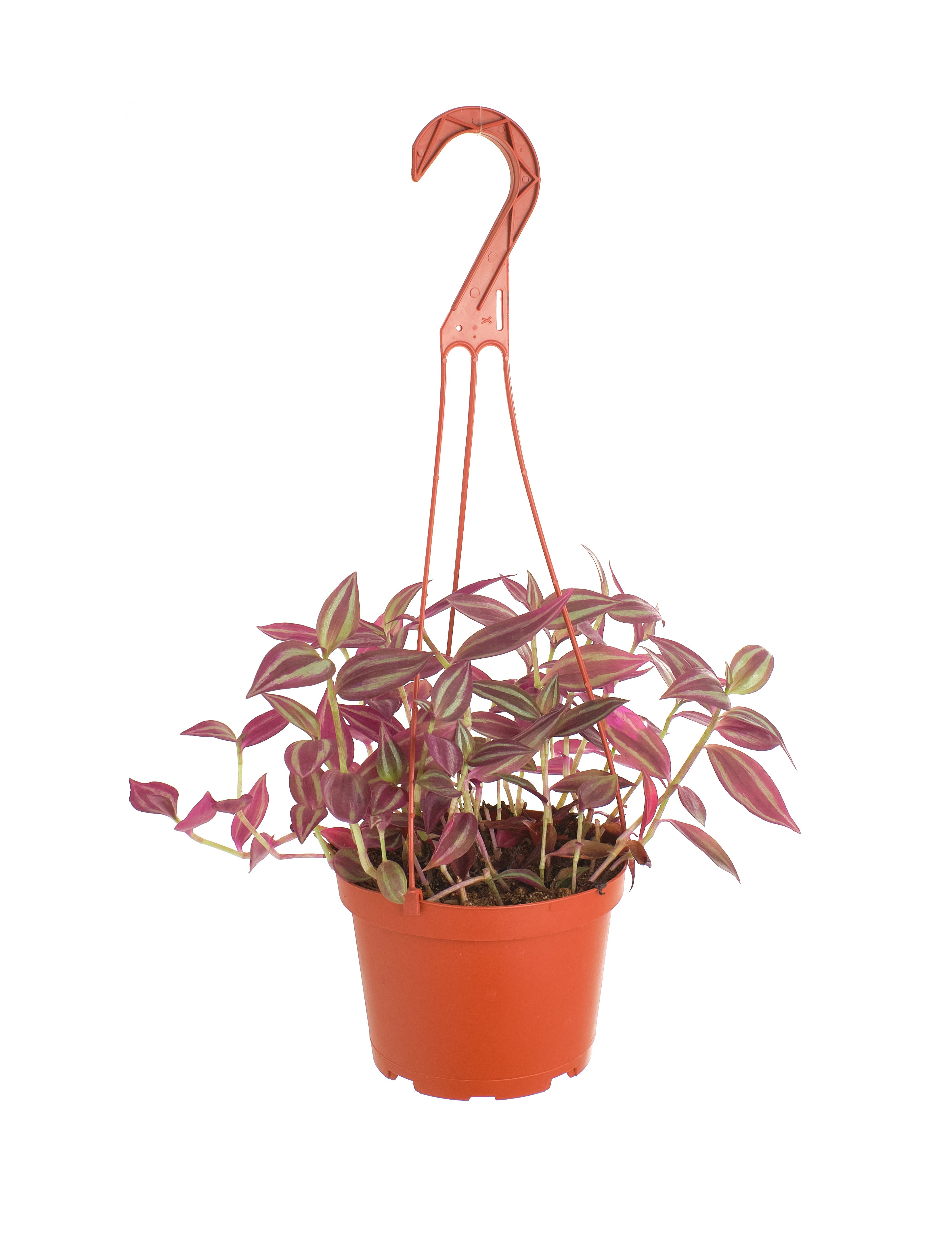
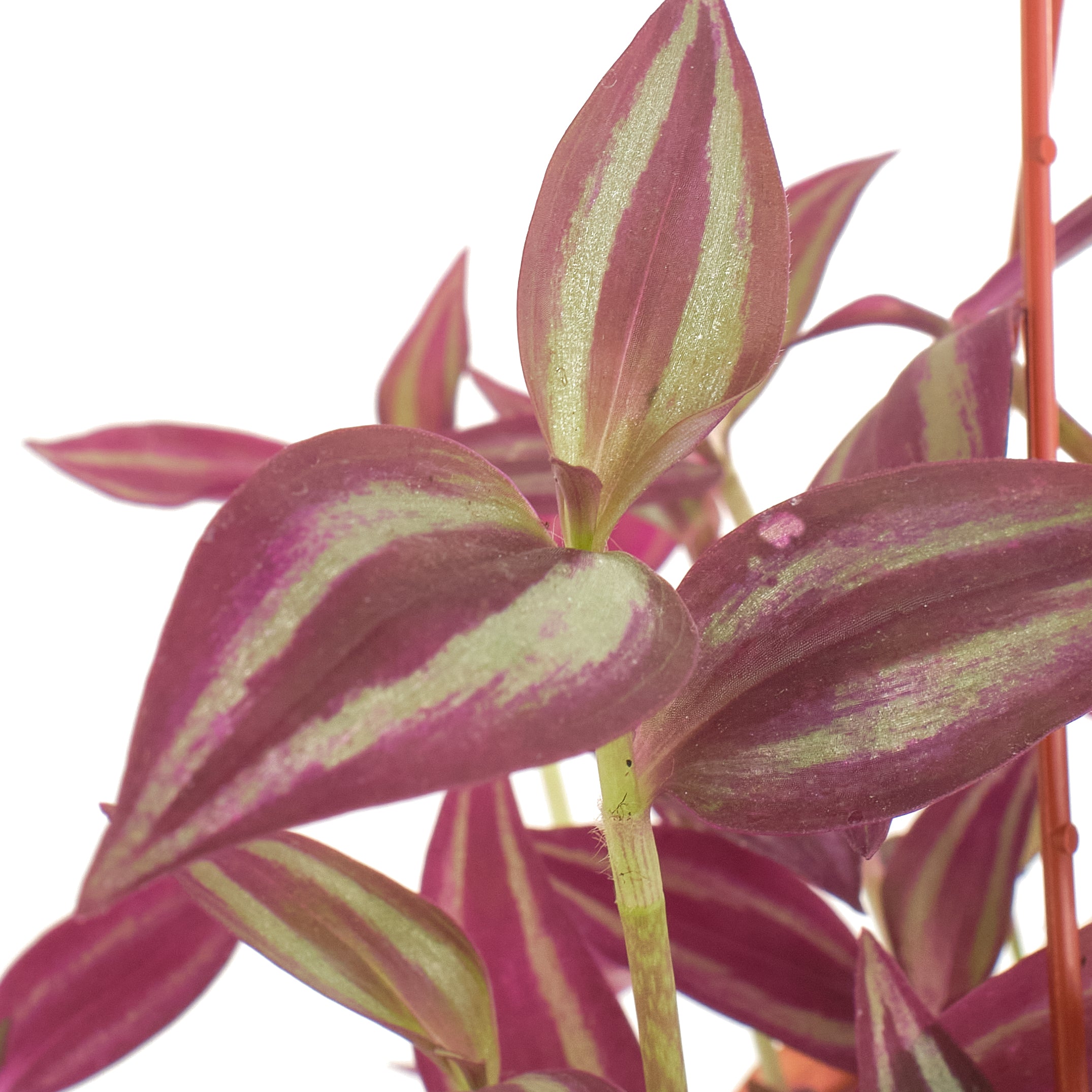
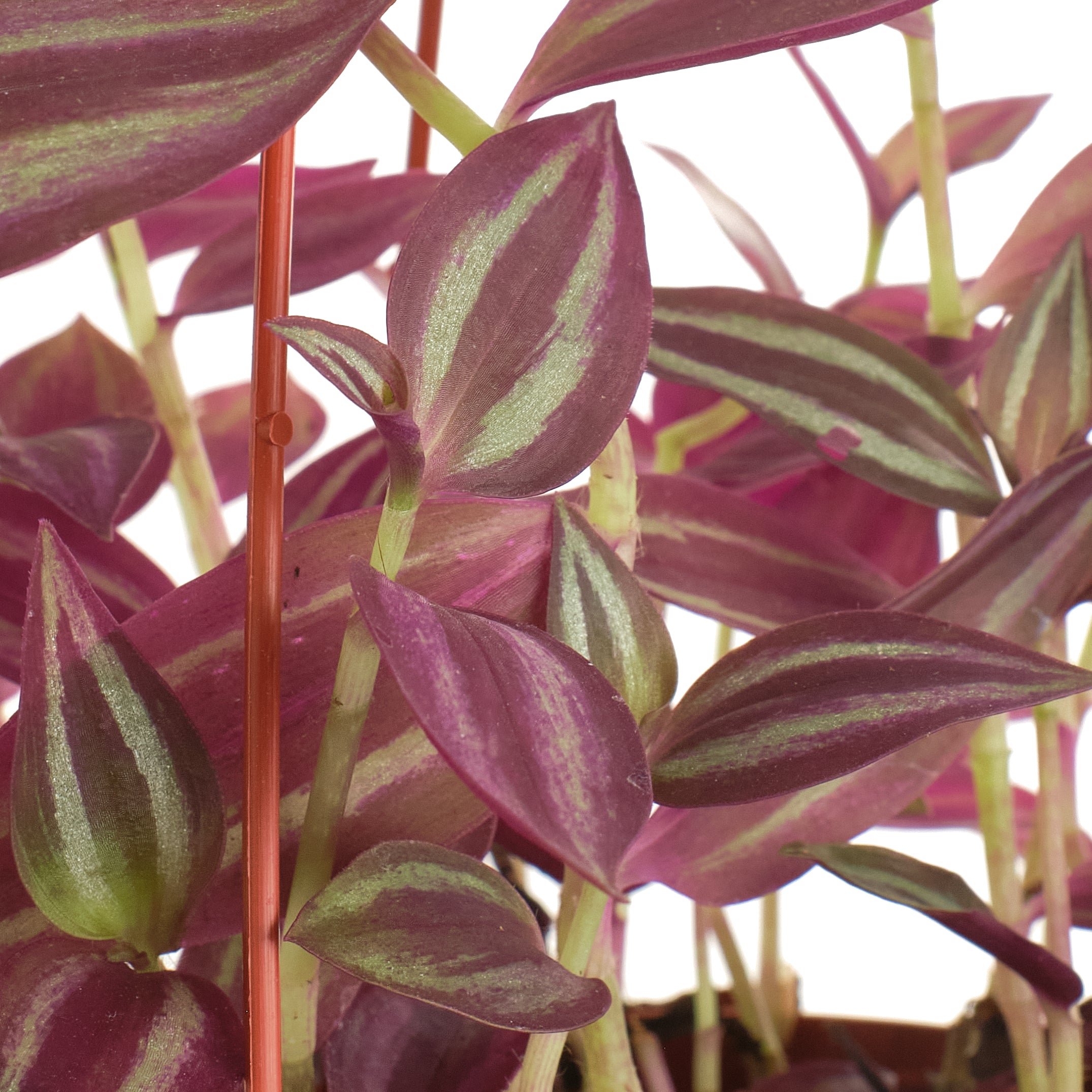
Tradescantia Zebrina, often known as the "Wandering Jew Plant" or "Inch Plant," is a stunning and popular houseplant celebrated for its vibrant and distinctive foliage. Its leaves, adorned with contrasting stripes of silver and green, create a visually captivating display that complements a range of interior settings. The Tradescantia Zebrina is valued for its versatility, air-purifying properties, and ease of care, making it a favored choice among plant enthusiasts and interior decorators. This charming houseplant thrives both in hanging baskets and as a trailing beauty, adding a touch of botanical allure to homes and offices. With its robust growth and minimal care requirements, the Tradescantia Zebrina offers a timeless and convenient solution for those who appreciate both aesthetic appeal and simplicity in indoor gardening, creating a harmonious blend of beauty and botanical simplicity in any interior space.
Details
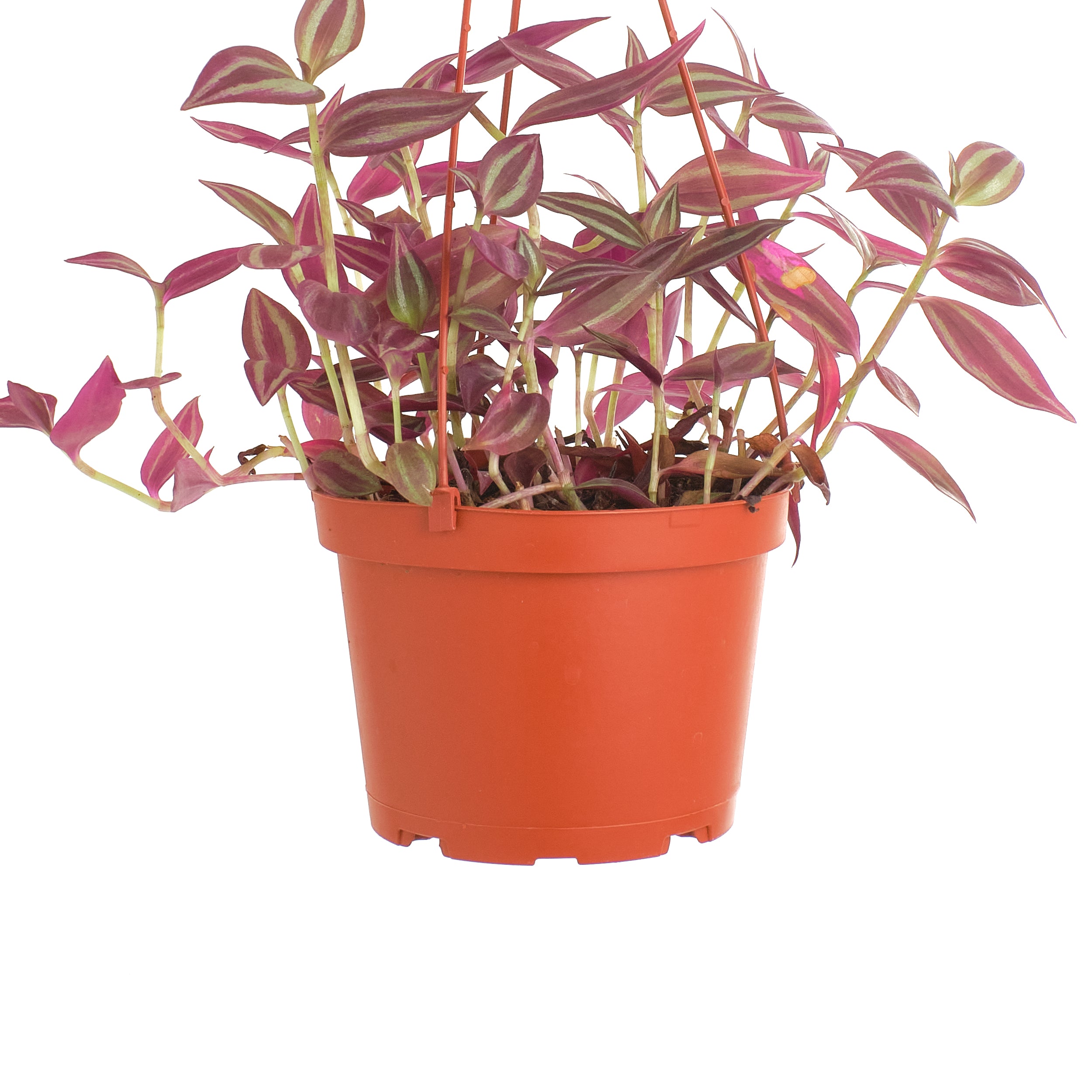
Type: Plastic Nursery Pot
Size: Large :: 6 Inch Diameter (Includes Hanger)
Plant Care
Light: Provide bright, indirect sunlight for your Tradescantia Zebrina. It can tolerate lower light conditions but thrives in moderate, indirect light. Avoid exposing it to direct sunlight, as this can scorch the leaves. Hanging it near a north or east-facing window is ideal.
Temperature: Maintain a comfortable indoor temperature between 60-75°F (15-24°C). Protect the plant from cold drafts and temperature fluctuations.
Watering: Keep the soil consistently moist but not waterlogged. Water when the top inch (2.5 cm) of the soil feels dry. During the growing season (spring and summer), water more frequently, and reduce watering in the dormant season (fall and winter).
Soil: Use well-draining potting soil with good aeration. A standard indoor plant mix works well. Ensure the pot has drainage holes to prevent waterlogged soil.
Pot: Choose a pot with drainage holes. Tradescantia Zebrina prefers slightly crowded conditions and does not require frequent repotting.
Fertilization: Feed your plant every 4-6 weeks during the growing season (spring and summer) with a balanced, water-soluble fertilizer diluted to half strength. Avoid over-fertilizing, as it can harm the plant.
Pests: This plant is relatively pest-resistant but occasionally may attract spider mites or aphids. Inspect your plant regularly and treat any infestations promptly with insecticidal soap or neem oil.
Pruning: Trim or pinch the plant regularly to encourage bushy growth and prevent leggy stems.